
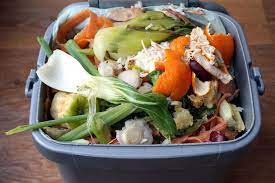
Latest data from WRAP shows that household food waste in the UK decreased by 9% between 2021 to 2022.
This reduction was driven by two main factors: Covid-19 restrictions lifting meaning less food was eaten at home in 2022, and the rise of food prices during 2022 and into 2023.
Given this decrease, WRAP’s new estimate (2022) of the food waste from UK households stands at 6 million tonnes. This includes food in waste streams collected by local authorities, going down the sewer and home composted. Of this total, 4.4 million tonnes was edible food with the remaining 1.6 million tonnes inedible including eggshells, bones and fruit peel.
Despite this reduction in food waste, UK shoppers are still spending £17bn on food that is thrown away, which is an average of £1,000 a year for a household of four people.
WRAP’s new report shows that across the UK, the amount of food waste in household food waste collections was 17% of the total – 83% of food waste is still found in the residual waste stream (being incinerated or going to landfill) rather than in food waste collections.
The organisation is calling on government, retailers, brands, manufacturers and funders to refresh the emphasis on household food waste through policy, changing the retail environment, and increasing public engagement to prevent food waste.